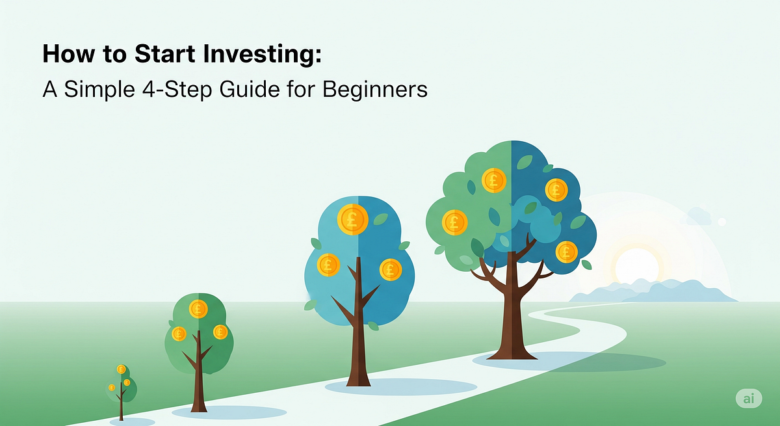
When I first considered investing, I felt a mix of excitement and fear.
Excitement because I wanted my money to grow.
Fear because I didn’t have much to lose… and losing even a small amount would hurt.
Every article I read talked about “high returns,” “aggressive growth,” or “hot stocks.” But honestly? I wasn’t ready for that. I didn’t have decades of experience or a financial safety net.
I realized early on: Investing doesn’t have to be risky to work. You can start slow, smart, and safe—and still see meaningful growth over time.
This is exactly how I began investing without taking big risks.
The Real Problem: Most Beginner Advice Feels Risky
When I started, I noticed something: most advice is either:
-
Too aggressive (“Buy the stock everyone’s talking about!”)
-
Too vague (“Just start investing and learn as you go”)
For someone with a limited budget and low risk tolerance, that felt overwhelming.
The truth? Beginner investors don’t need to chase high returns. They need structure, patience, and safety.
What “Low-Risk Investing for Beginners” Really Means
For me, it meant:
-
Protecting my initial capital
-
Using small, consistent amounts
-
Focusing on steady growth rather than quick wins
-
Understanding what I was investing in
It wasn’t about avoiding all risk—because every investment has some—but about keeping the risk manageable.
Step-by-Step: How I Started Investing Safely
Step 1: I Secured My Financial Basics
Before investing, I made sure:
-
I had a small emergency fund
-
I wasn’t relying on credit for everyday expenses
-
My monthly bills were under control
Investing without a foundation is like building a house on sand—it won’t last.
Step 2: I Started With Very Small Amounts
I didn’t need hundreds or thousands to start. I began with:
-
$20–$50 per month
-
Micro-investing platforms that allowed fractional shares
Even though the amount was small, the habit of consistent investing was the real win.
Step 3: I Focused on Low-Risk Investments
I avoided individual “hot stocks” or trends. Instead, I chose:
-
Index funds
-
Exchange-traded funds (ETFs)
-
Government bonds or bond ETFs
These options:
-
Spread my money across many assets
-
Reduced the chance of big losses
-
Still allowed steady growth over time
Step 4: I Automated My Investments
I set up automatic transfers each month so I didn’t have to think about it.
-
Small amount leaves my account automatically
-
Goes straight into the investment platform
This reduced stress and kept consistency—without relying on willpower alone.
Step 5: I Ignored Short-Term Market Fluctuations
At first, I checked my investments daily.
-
If the market dropped, I panicked
-
If it went up, I felt overconfident
Then I realized: short-term changes don’t matter for long-term growth.
I started checking only once a month. It reduced stress and kept me focused.
Step 6: I Reinvested My Earnings
Any dividends or gains went straight back into the investment.
-
This allowed compounding to start working
-
It increased long-term growth without extra effort
Step 7: I Gradually Increased My Contributions
As I grew more confident and my finances improved, I increased my monthly investment slightly.
-
No pressure to invest more than I could afford
-
Gradual increases felt natural and sustainable
What Actually Worked for Me
Here’s what made low-risk investing effective:
1. Consistency Over Amount
Small, regular investments matter more than occasional large ones.
2. Long-Term Mindset
Investing is about time, not timing.
3. Diversification
Spreading my money across funds reduced risk.
4. Simplicity
I avoided complex strategies and stuck to what I understood.
Real-Life Example: My First Year
-
Monthly investment: $30
-
Investment type: Index fund ETF
-
Total after 12 months: ~$360 + small gains
It wasn’t life-changing, but it was enough to:
-
Build confidence in investing
-
Establish a habit
-
Begin compounding
Mistakes I Avoided (So You Don’t Have To)
Mistake 1: Chasing High Returns
I ignored “hot tips” and focused on steady growth.
Mistake 2: Using Money I Couldn’t Afford to Lose
I only invested what I could comfortably part with.
Mistake 3: Reacting to Market Fluctuations
I learned to stay calm during drops and not chase gains.
Mistake 4: Overcomplicating My Strategy
I kept it simple, which helped me stay consistent.
Practical Tips for Beginner Low-Risk Investing
-
Start with what you can afford—even $10 a month
-
Use diversified funds rather than individual stocks
-
Automate contributions to reduce stress
-
Keep a long-term mindset
-
Avoid borrowing to invest—never use money you can’t afford to lose
When Low-Risk Investing Works Best
-
You’re new to investing
-
You have a low risk tolerance
-
You want steady growth instead of quick wins
-
You’re building the habit for the future
FAQs (Real Questions Beginners Ask)
1. Can I grow wealth with low-risk investing?
Yes. Growth is slower, but it’s more stable and sustainable.
2. How much should I start with?
Even $10–$20 per month is enough to get started.
3. Should I invest in stocks directly?
For beginners, diversified funds or ETFs are safer than picking individual stocks.
4. How long before I see returns?
You may see small growth in months, but meaningful growth happens over years.
5. Can I invest if I have debt?
Yes, but prioritize high-interest debt first while keeping emergency savings.
Wrap-Up: How I Gained Confidence Without Taking Big Risks
I learned that investing doesn’t have to be scary.
By starting small, focusing on low-risk options, and being consistent:
-
I built confidence
-
Developed a long-term habit
-
Protected my money while still making it work
If you’re hesitant about investing, remember:
You don’t need a lot of money or perfect timing. Start small, stay consistent, and let time work for you.
Even low-risk investing, done patiently, can grow into something meaningful—and give you peace of mind along the way.