I Used to Think Saving Was Only for People Who Earn More
For a long time, I told myself the same thing:
“I’ll start saving when I earn more.”
It sounded reasonable. I wasn’t earning much, and most of my income already had a purpose—rent, food, transport, bills. By the end of the month, there was barely anything left.
So saving felt… unrealistic.
But what bothered me wasn’t just the lack of savings. It was the feeling of being stuck.
-
One small emergency could throw everything off
-
I had no financial cushion
-
Every expense felt risky
And deep down, I knew:
If I didn’t learn how to save now, earning more later wouldn’t automatically fix it.
That realization pushed me to try something different.
The Real Problem: It Wasn’t Just Income — It Was My Approach
At first, I thought the problem was simple:
“I don’t earn enough.”
But when I looked closer, I noticed patterns:
-
I waited to save whatever was left (which was usually nothing)
-
I didn’t track where my money was going
-
Small expenses slipped through unnoticed
-
I treated saving as optional
So even with a low income, the real issue was this:
I had no system to save consistently.
What “Saving on a Low Income” Really Means
Let’s be honest—this isn’t about saving huge amounts.
It’s about building the habit of saving no matter how small the amount is.
Because:
-
Saving $20 consistently is better than saving $0 occasionally
-
Habits matter more than income in the beginning
Once I understood this, everything changed.
Step-by-Step: How I Started Saving (Even When It Felt Impossible)
Step 1: I Stopped Waiting for “Extra Money”
This was my biggest shift.
Before:
I saved after spending.
Now:
I saved before spending.
Even if it was a small amount.
Saving became a priority—not an afterthought.
Step 2: I Started Ridiculously Small
At first, my savings looked like this:
-
$5
-
$10
-
Sometimes even less
It felt insignificant.
But it wasn’t.
Because I was building consistency.
Step 3: I Created a Separate Savings Space
I didn’t keep savings in my main account.
I moved it somewhere slightly harder to access.
Why this helped:
-
I wasn’t tempted to spend it
-
It felt “untouchable”
Step 4: I Tracked My Spending (Without Obsessing)
For a short time, I tracked where my money went.
That’s when I noticed:
-
Small, frequent expenses were adding up
-
I was spending without realizing it
I didn’t cut everything—I just became aware.
Step 5: I Reduced, Not Eliminated
I didn’t try to remove all enjoyment.
Instead, I adjusted:
-
Fewer unnecessary purchases
-
Slightly smarter choices
This made saving feel sustainable.
Step 6: I Set a Simple Goal (Not a Big One)
I didn’t aim for thousands.
I aimed for something like:
-
$100
-
Then $200
Small goals gave me quick wins—and motivation.
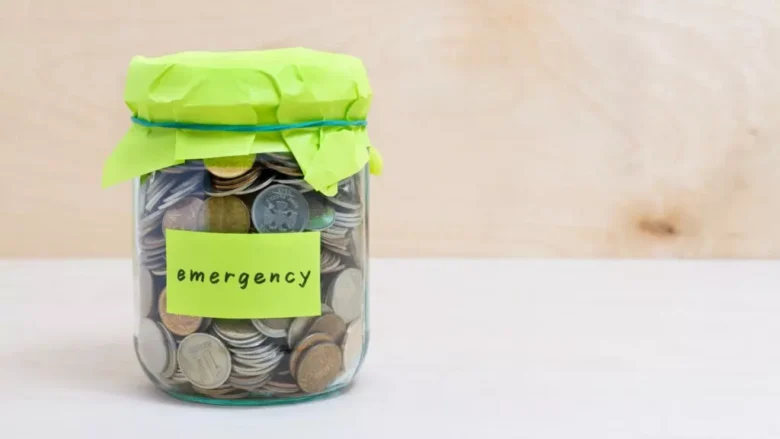
Step 7: I Built a “Mini Emergency Fund”
This was my first real milestone.
Even a small buffer changed everything:
-
I stopped panicking over small expenses
-
I didn’t rely on credit as much
What Actually Helped Me Save Consistently
Let me be honest—saving wasn’t about discipline alone.
These practical habits made it easier:
1. Automating Small Transfers
Even tiny automatic savings added up.
2. Saving on Income Days
I saved money the moment I got paid.
3. Keeping My Lifestyle Stable
I didn’t increase spending just because I could.
4. Celebrating Small Wins
Every milestone mattered—even small ones.
Real-Life Example: How My Savings Started
Here’s how it looked in the beginning:
-
Weekly savings: $10
-
Monthly total: ~$40
After a few months:
-
I had $150+ saved
It wasn’t huge—but it was real progress.
And more importantly:
It proved to me that saving was possible.
Mistakes I Made (That Slowed Me Down)
Mistake 1: Waiting for Higher Income
If you can’t save a little now, saving later becomes harder.
Mistake 2: Trying to Save Too Much Too Fast
That led to frustration and quitting.
Mistake 3: Ignoring Small Expenses
They quietly reduced my ability to save.
Mistake 4: Dipping Into Savings Too Easily
This broke momentum.
When Saving Feels Impossible
If you feel like:
-
“There’s nothing left to save”
-
“My income is too low”
Start here:
-
Save something, no matter how small
-
Focus on consistency, not amount
Because:
The habit matters more than the number in the beginning.
Practical Tips for Low-Income Saving
-
Use round-up savings (save spare change digitally)
-
Set weekly instead of monthly goals
-
Avoid comparing your savings to others
-
Keep your system simple
-
Focus on progress, not perfection
FAQs (Real Questions People Ask)
1. Can I really save on a very low income?
Yes. The amount may be small, but consistency makes a big difference over time.
2. How much should I aim to save?
Start with anything you can—even $5–$10—and build from there.
3. What if I need to use my savings?
That’s okay—that’s what it’s for. Just restart as soon as possible.
4. Should I save or pay off debt first?
It depends, but having a small emergency fund first is usually helpful.
5. How do I stay motivated?
Track your progress and celebrate small milestones.
Wrap-Up: What Changed Everything for Me
I used to believe saving required:
-
A high income
-
Perfect discipline
-
Big sacrifices
But what I learned was much simpler:
Saving starts with a decision—not a number.
Once I:
-
Started small
-
Stayed consistent
-
Built a simple system
Everything changed.
If you’re struggling to save right now, don’t wait for the perfect situation.
Start with what you have.
Even if it feels small.
Because small, consistent steps are what build real financial security over time.